
STOP
Stop completely at the stop line, give way to traffic on the major road, and go only when the road is clear. A rolling stop is not a stop.
Rule: Junctions, Intersections & Right of WayThe shape tells you the type at a glance: circles give orders, triangles warn, rectangles inform. Here are 43 of the signs and markings you see most, what each one means and what to do.
Mandatory (regulatory) signs give orders. Most are circles: a red border means something is prohibited or limited, and a blue circle tells you what you must do. STOP and Give Way have their own shapes so they can be recognised even from behind or when covered in dust. Section 119 of the Motor Vehicles Act requires every driver to obey them.
Stop completely at the stop line, give way to traffic on the major road, and go only when the road is clear. A rolling stop is not a stop.
Rule: Junctions, Intersections & Right of Way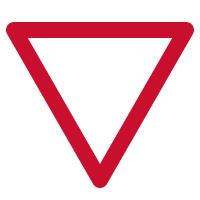
Slow down, be ready to stop, and give way to traffic on the road you are entering.
Rule: Junctions, Intersections & Right of Way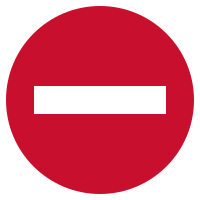
Vehicles must not enter from this direction. You often see it at the exit end of a one-way street.
Rule: Road Signs & Markings in India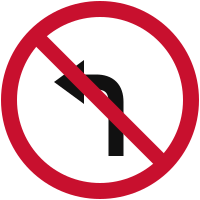
You must not turn left here. Continue and find another legal route.
Rule: Road Signs & Markings in India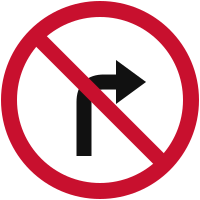
You must not turn right here. Continue and find another legal route.
Rule: Road Signs & Markings in India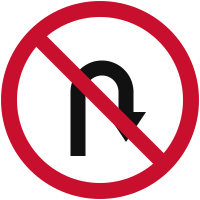
No U-turn where this sign applies, even if there is a gap in the median.
Rule: U-Turn, Left & Right Turn Rules in India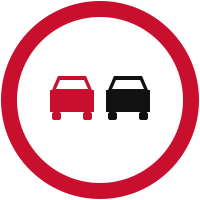
Do not overtake until the restriction ends.
Rule: Overtaking Rules in India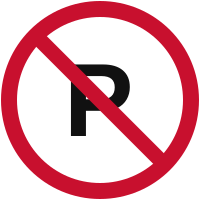
Parking is prohibited where this sign applies. Hazard lights do not make illegal parking legal.
Rule: Stop, Park & Reverse Safely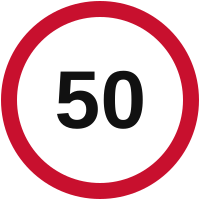
The number is the maximum speed in km/h, here 50 km/h. Road, weather or traffic may still call for a lower speed.
Rule: Safe Speed & Following Distance Rules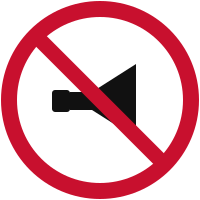
Do not use the horn. These signs are often placed near hospitals, schools and courts.
Rule: Horn Rules in India: When to Use the Horn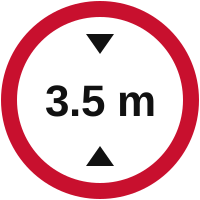
Vehicles taller than the height shown must not go on. Remember the extra height of any roof load.
Rule: Loads, Roof Racks & Towing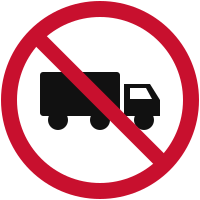
Goods vehicles must not enter where this sign applies.
Rule: Driving Near Trucks & Buses Safely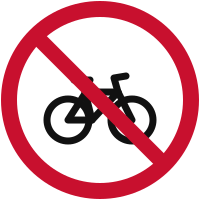
Bicycles must not use this road, for example on some highways and flyovers. Use another route.
Rule: Ride a Bicycle Safely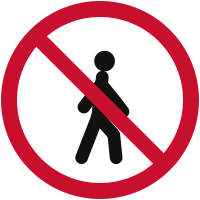
People on foot must not walk here, for example at the entry to an expressway.
Rule: Pedestrian Safety: Footpaths & Crossings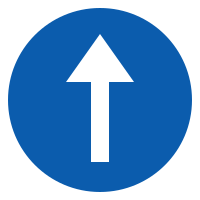
You must go straight ahead. Turning left or right is not allowed.
Rule: Road Signs & Markings in India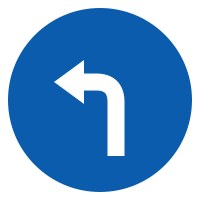
You must turn left.
Rule: Road Signs & Markings in India
Keep to the left of the island or obstruction.
Rule: Road Position: Keep Left Safely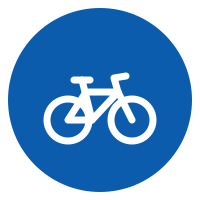
A track for cyclists. Motor vehicles must not drive or park on it.
Rule: Ride a Bicycle SafelyCautionary (warning) signs are triangles with a red border, pointing up. They tell you about a hazard ahead so you can slow down and get ready in good time.
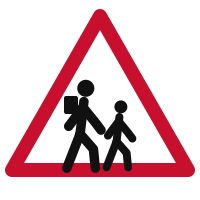
Slow right down and watch for children. Near a signed school the speed limit is 25 km/h (Regulation 16(5)).
Rule: School Transport: Buses, Vans & Autos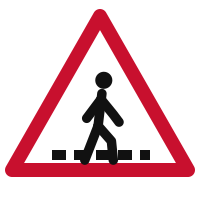
Slow down and be ready to stop. At an uncontrolled crossing you must stop and let people cross.
Rule: Pedestrian & Cyclist Safety for Drivers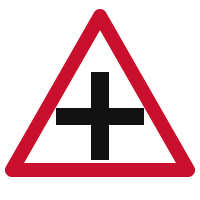
A junction ahead with roads joining from both sides. Slow down and be ready to give way.
Rule: Junctions, Intersections & Right of Way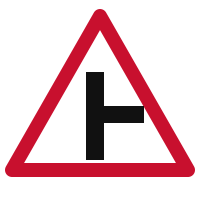
A side road joins from the right. Watch for vehicles coming out of it.
Rule: Junctions, Intersections & Right of Way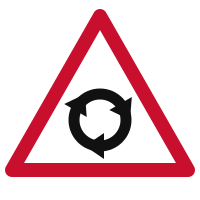
Slow down, choose your lane early and give way to traffic already in the roundabout.
Rule: Roundabout Rules in India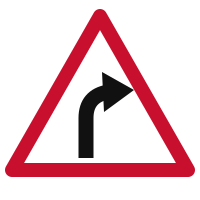
A bend to the right ahead. Slow down before the bend and keep left.
Rule: Safe Speed & Following Distance Rules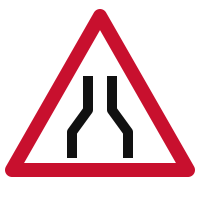
The road narrows. Slow down, keep left and be ready to give way to oncoming traffic.
Rule: Road Position: Keep Left Safely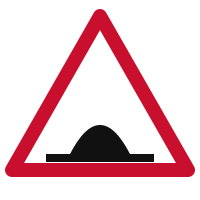
A speed breaker ahead. Slow down before you reach it.
Rule: Safe Speed & Following Distance Rules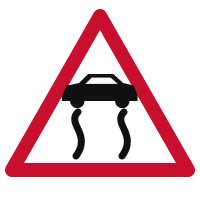
Slow down, avoid harsh braking and steering, and leave a bigger gap.
Rule: Driving in Fog, Rain & at Night: Safety Tips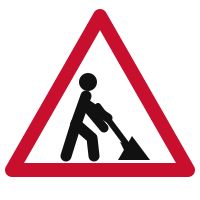
Road works ahead. Slow down, follow temporary signs and give workers plenty of room.
Rule: Road Signs & Markings in India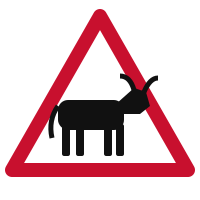
Animals may be on or near the road. Slow early, give them room and stop if a herd is crossing.
Rule: Animals on the Road: How to Drive Safely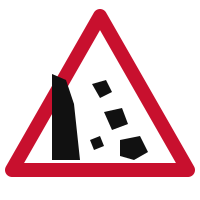
Watch for rocks on the road, especially after rain, and do not stop beside the slope.
Rule: Hill & Ghat Road Driving Rules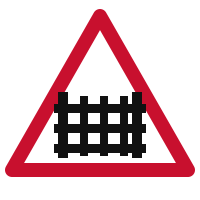
A railway crossing with gates or barriers. Slow down, do not overtake, and never enter once the barriers start to close.
Rule: Road Signs & Markings in India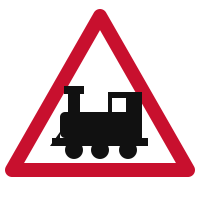
A railway crossing without gates. Slow down, stop if needed, look and listen both ways, and cross only when no train is in sight.
Rule: Road Signs & Markings in IndiaInformatory signs are rectangles. They tell you about places and facilities such as parking, fuel, hospitals and directions.
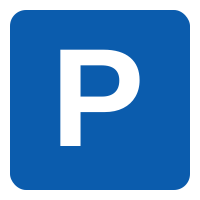
A place where you may park. Check any extra plates for times or vehicle types.
Rule: Stop, Park & Reverse SafelyMarkings on the road surface are as binding as signs. White lines separate traffic going in the same or opposite directions; yellow markings usually mean restrictions on stopping and parking.
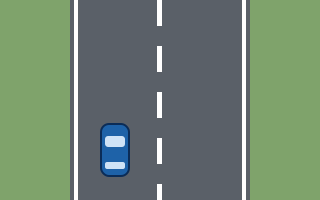
You may cross it to overtake, but only when the road ahead is clear and it is safe.
Rule: Overtaking Rules in India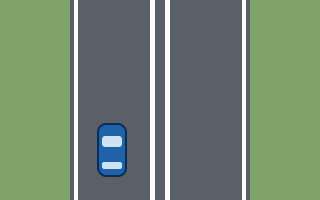
Do not cross it to overtake or turn, from either side, except to avoid an obstruction.
Rule: Overtaking Rules in India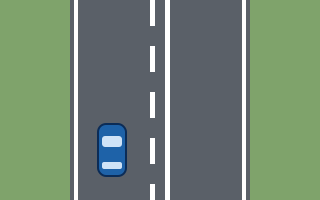
With a broken line next to you and a solid line beyond it, you may cross to overtake when safe, and return before the markings change.
Rule: Road Signs & Markings in India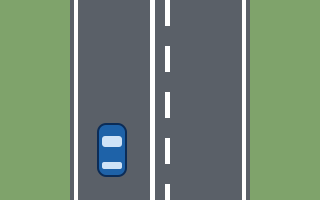
With a solid line next to you, you must not cross. Stay in your lane.
Rule: Road Signs & Markings in India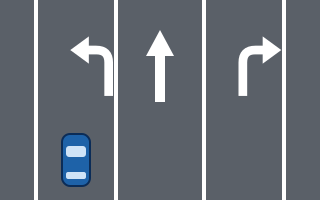
Follow the arrow for your lane. Do not cross solid lane lines at the last moment; if you are in the wrong lane, go on and find another route.
Rule: U-Turn, Left & Right Turn Rules in India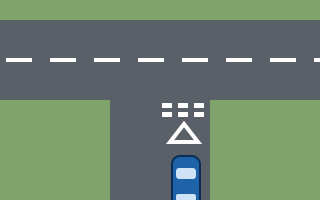
A double broken line, often with a triangle: give way to traffic on the main road.
Rule: Junctions, Intersections & Right of Way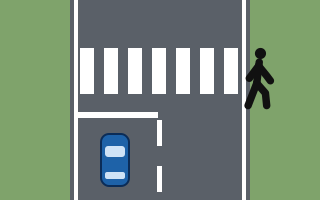
Stop behind the stop line and let people cross. Never stop on the crossing.
Rule: Pedestrian & Cyclist Safety for Drivers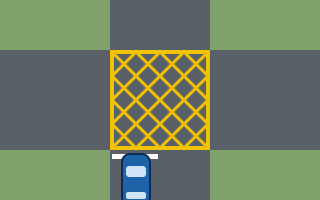
Do not enter unless your exit is clear. Never stop inside the box.
Rule: Junctions, Intersections & Right of Way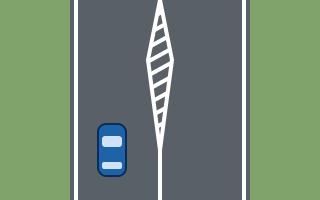
A painted island that separates traffic. Do not drive over it except to avoid an obstruction.
Rule: Change Lanes & Merge Safely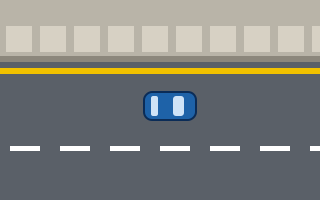
No parking along this kerb.
Rule: Stop, Park & Reverse SafelyDrawings by India Drive Safe in the style of IRC:67 (road signs) and IRC:35 (road markings). Signs on the road can differ slightly in detail; always follow the signs and markings actually provided.
Know them all? Test yourself with 43 signs and markings in picture questions.
Take the road sign test